 Digital Sense
For years, businesses optimized their websites with one main goal: rank higher on Google.
Now there is another place customers are searching.
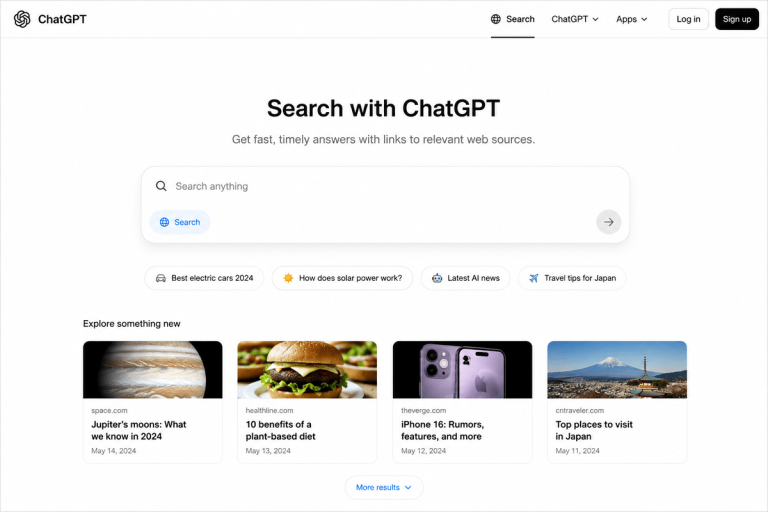
They are asking ChatGPT questions such as:
- “What is the best CRM for a small business?”
- “Which digital marketing agency should I hire?”
- “What are the best accounting tools for startups?”
- “Who offers SEO services in Toronto?”
Instead of clicking through ten blue links, users may receive a direct answer containing a handful of brands, websites, or cited sources.
That raises an important question:
Can traditional SEO help your website appear in ChatGPT?
Yes but ranking in AI-powered search is not exactly the same as ranking in traditional search results.
Good SEO creates many of the foundations that can improve your visibility across AI search experiences. However, businesses also need to think about AEO (Answer Engine Optimization), content clarity, authority, citations, and how easily AI systems can understand their brand.
Here is how it works.
Does SEO Help Your Website Appear in ChatGPT?
Yes. SEO can help, but there is no single “ChatGPT ranking” that works exactly like a traditional Google position.
Search-enabled AI systems can discover and reference information from the web when answering certain queries. This means websites that are technically accessible, relevant, authoritative, and easy to understand are in a stronger position to be discovered and potentially referenced.
Many traditional SEO practices support exactly that.
Strong SEO can help search engines and AI systems understand:
- Who your business is
- What products or services you offer
- Which topics you have expertise in
- Where your business operates
- Which questions your content answers
- Whether other credible sources mention your business
Think of SEO as building the foundation for discoverability, while AEO helps make your information easier for answer engines to interpret and use.
Is Ranking in ChatGPT the Same as Ranking on Google?
No.
A traditional Google search might return a ranked list of webpages.
A ChatGPT response may instead synthesize information and, depending on the experience and query, provide citations or links to sources.
That changes the goal.
Instead of focusing only on:
“How do I get position #1?”
Businesses should increasingly ask:
“How do I become a credible source that AI systems can understand, find, and reference?”
That is a significant shift in search strategy.
Traditional SEO remains important, but visibility is becoming broader than a single search-results page.
What SEO Factors Can Improve ChatGPT Visibility?
There is no publicly available checklist guaranteeing that a page will be recommended by ChatGPT. However, several established SEO practices can make your website more discoverable and understandable.
1. Create Content That Directly Answers Real Questions:
AI search is highly question-driven.
People rarely prompt ChatGPT with a two-word keyword. They often ask complete questions:
Traditional search:
“local SEO Toronto”
Conversational search:
“How much should a small business in Toronto spend on local SEO?”
Your content should therefore target the actual questions customers ask.
Instead of creating a generic article called:
“Local SEO Services”
you could build supporting content around questions such as:
- How much does local SEO cost?
- How long does local SEO take?
- Is local SEO worth it for small businesses?
- What does a local SEO company actually do?
- How can a business rank higher on Google Maps?
Each page answers a specific intent while strengthening your topical coverage.
2. Give the Answer Early:
Do not make readers and potentially answer engines dig through 500 words to find the main point.
If your heading asks:
Does Website Speed Affect SEO?
Start the section with something like:
Yes. Website speed can affect SEO because page experience, usability, crawling, and Core Web Vitals can influence search performance.
Then explain the details.
This answer-first structure is useful for both human readers and answer-focused search experiences.
3. Build Topical Authority Instead of Chasing Random Keywords:
Publishing 50 unrelated articles does not automatically establish expertise.
A stronger strategy is to build topic clusters.
Imagine you provide SEO services. Your cluster might include:
Pillar topic:
Complete Guide to Local SEO
Supporting topics:
- What Is Local SEO?
- How Does Google Maps SEO Work?
- Local SEO vs Traditional SEO
- How Much Does Local SEO Cost?
- How Long Does Local SEO Take?
- How Do Reviews Affect Local SEO?
- How to Optimize a Google Business Profile
These pages can internally link to one another.
The result is a structured collection of information that demonstrates depth around a subject instead of isolated keyword targeting.
4. Demonstrate Real Experience and Expertise:
Generic AI-written content has made publishing easier than ever.
That also means generic information has become less valuable.
Businesses can differentiate their content by including original information such as:
- First-hand experience
- Expert commentary
- Case studies
- Original research
- Customer examples
- Proprietary data
- Comparisons based on real testing
- Clear author information
For example, saying:
“Local SEO improves visibility.”
adds little new information.
A case study explaining what was changed, how long implementation took, and what happened to impressions, calls, or leads provides substantially more value.
Create content worth referencing, not simply content designed to exist.
5. Strengthen Your Brand Across the Web:
Your website does not exist in isolation.
A business can also be mentioned through industry publications, directories, review platforms, interviews, professional profiles, news coverage, and other websites.
Consistent information across these sources can make your business easier to understand as an entity.
For local businesses, consistency around information such as business name, services, location, website, and industry is particularly useful.
Traditional digital PR, citations, brand mentions, and quality backlinks therefore remain relevant in an AI-search strategy.
6. Use Clear Website Structure and Internal Linking:
Your content should be easy to navigate.
A logical website architecture helps visitors and crawlers understand how your pages relate to each other.
For example:
Digital Marketing → SEO → Local SEO → Google Maps SEO
is clearer than having dozens of disconnected pages.
Use descriptive:
- Page titles
- H1 headings
- H2 and H3 headings
- URLs
- Anchor text
- Internal links
- Navigation
Your headings should also communicate what the section answers.
Instead of:
Things to Consider
use:
What Factors Affect Your Visibility in ChatGPT?
The second heading provides far more context.
7. Add Structured Data Where It Is Relevant:
Schema markup provides machines with structured information about content and entities.
Depending on the page, relevant structured data might describe:
- Organizations
- Local businesses
- Products
- Articles
- Authors
- Events
- Breadcrumbs
Schema is not a magic ChatGPT ranking button.
It does, however, support a broader goal: making important information about your website explicit and machine-readable.
8. Keep Important Content Accessible:
Excellent content cannot help much if crawlers cannot access it.
Technical SEO therefore remains part of AI visibility.
Regularly check:
- Robots directives
- Indexability
- Canonical tags
- Broken links
- HTTP status codes
- XML sitemaps
- JavaScript rendering
- Mobile usability
- Site performance
You should also understand which crawlers your website allows or blocks rather than changing crawler settings blindly.
9. Keep Important Information Accurate and Updated:
Some searches are highly sensitive to freshness.
An article titled “Best AI Marketing Tools in 2026” becomes much less useful if it discusses products, features, or prices that are several years out of date.
Review important content regularly.
Update outdated:
- Statistics
- Prices
- Product information
- Screenshots
- Recommendations
- Research
- Links
- Industry developments
Also show meaningful update dates when substantial changes have actually been made.
Freshness should reflect real improvements, not simply changing a date.
SEO vs AEO: What Should Businesses Focus On?
Businesses should not treat SEO and AEO as competing strategies.
They work together.
| SEO | AEO |
| Improves search visibility | Improves answer visibility |
| Targets keywords and intent | Targets questions and conversations |
| Builds organic traffic | Builds AI/search-answer discoverability |
| Uses technical optimization | Uses clear, extractable answers |
| Builds backlinks and authority | Builds credibility and reference-worthy content |
| Optimizes webpages | Optimizes information and entities |
A modern search strategy needs both.
SEO helps your content get discovered. AEO helps your content become easier to understand and potentially reference.
Can You Guarantee a #1 Ranking in ChatGPT?
No.
Be cautious of anyone promising a guaranteed “#1 ChatGPT ranking.”
AI-generated answers can vary depending on the question, wording, context, available web information, and how the particular search experience retrieves and synthesizes sources.
There is no universal position-one slot equivalent to a traditional search ranking for every ChatGPT query.
A better objective is to increase the probability that your brand and content are discoverable, credible, relevant, and useful enough to surface when appropriate.
How Should You Optimize Your Website for SEO and ChatGPT Together?
You do not need two completely separate websites or content strategies.
Build one strong search foundation.
Start by researching the questions customers actually ask. Create dedicated content around those questions, provide concise answers early, demonstrate genuine expertise, build topic clusters, strengthen your brand authority, earn reputable mentions, improve technical SEO, and keep your information accurate.
Most importantly, write for the person asking the question.
If your content provides the clearest and most useful answer, you are creating something valuable for traditional search engines, AI-powered search, and your potential customers.
Is SEO Still Worth Investing in as AI Search Grows?
Yes but SEO is evolving.
Customers now discover businesses through traditional search engines, maps, social platforms, AI assistants, review websites, and other discovery channels.
That means businesses should stop thinking only about Google rankings and start thinking about search visibility as a whole.
The brands that adapt early can build authority across both traditional and AI-powered discovery.
Want Your Business to Be Found in Traditional and AI Search?
Search behaviour is changing. Your SEO strategy should change with it.
Digital Sense can help you build an SEO and AEO strategy focused on stronger content, technical visibility, topical authority, and discoverability across traditional and AI-powered search.
Frequently Asked Questions
Can SEO make my website appear in ChatGPT?
SEO can improve the discoverability, accessibility, relevance, and authority of your website, which can support visibility in search-enabled AI experiences. However, SEO cannot guarantee that ChatGPT will cite or recommend a particular website for a given query.
Does ranking #1 on Google mean ChatGPT will recommend my website?
No. A strong Google ranking may indicate that a page has useful relevance and authority signals, but it does not automatically guarantee inclusion in a ChatGPT answer. AI search and traditional search do not use an identical ranking experience.
What is the difference between SEO and ChatGPT optimization?
SEO traditionally focuses on increasing visibility and organic traffic from search engines. ChatGPT or AI-search optimization focuses more broadly on making information easy for AI systems to discover, understand, contextualize, and potentially reference. A strong strategy combines SEO with AEO principles.
How can I increase my chances of being mentioned by ChatGPT?
Focus on high-quality question-based content, topical depth, technical accessibility, clear site structure, trustworthy brand information, reputable third-party mentions, original expertise, and regularly updated information. There is no guaranteed formula, but these practices strengthen your overall search and AI visibility.
You may also like


Want to know where your customers are slipping away?
A live look at your website, Google listing and follow-up, plus a written report in 48 hours.